Stewardship as a Career Path
South Carolina is a uniquely conservation-minded state with abundant opportunities to not only enjoy recreational activities on protected land, but also to join the growing workforce behind land protection.
Often, park rangers, the forest service, or the DNR stand out as the obvious routes for young folks entering the conservation field. Such organizations are essential. But perhaps less commonly considered is the world of land trusts, and specifically stewardship. For those interested, here’s a look inside.
Why?
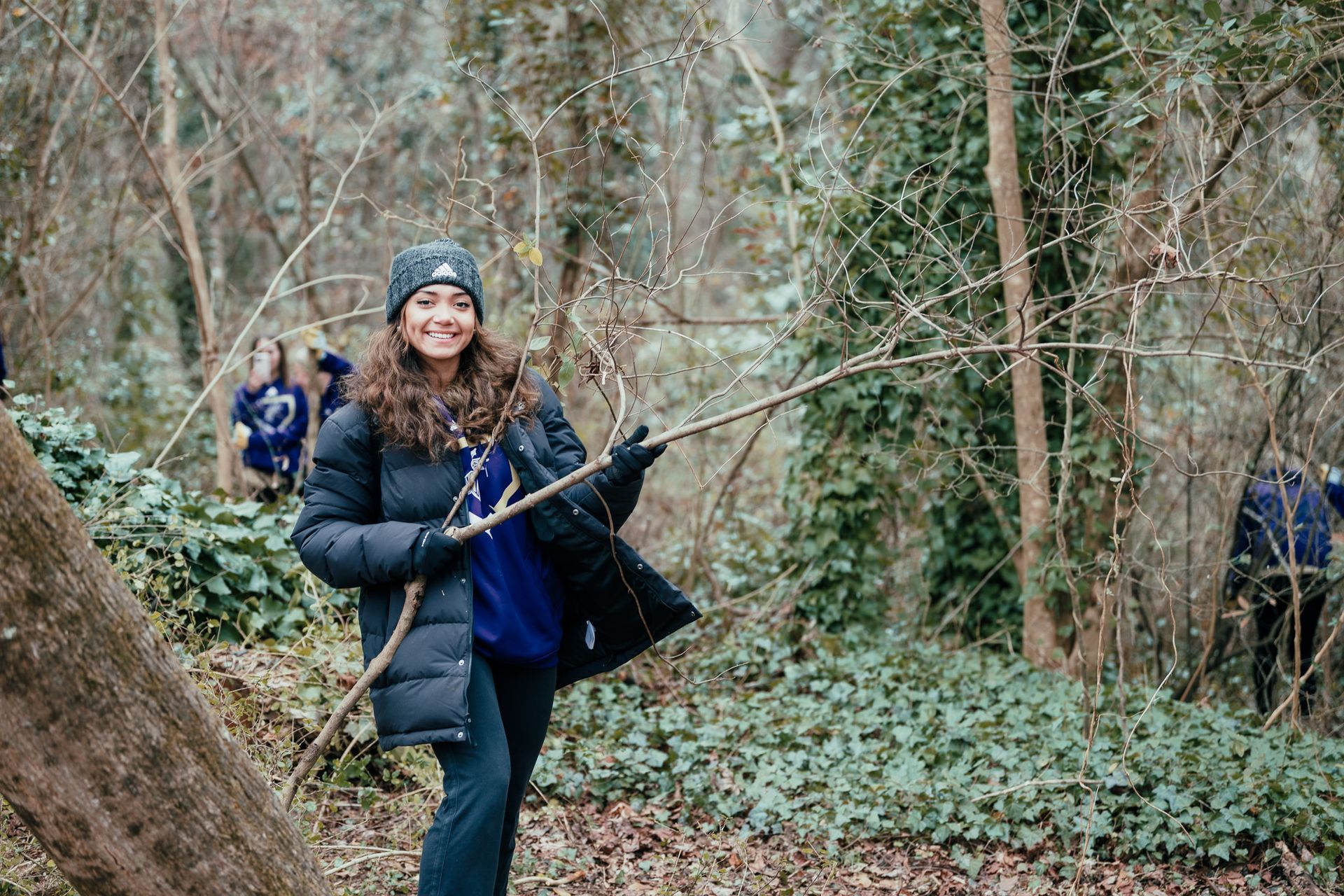
tewardship teams play an ongoing role in preserving the beauty and longevity of these natural landscapes. They monitor properties protected by conservation easements and serve as a resource for landowners.
Lauren Ulich of Upstate Forever, says, “To me, it’s a fantastic job because every day is different. This work involves interpersonal relationships, so if you’re a people-person it’s a great job, but also if you like to get outside. I’m probably in the field 1-3 days a week. I think this option should really be at the forefront of young people’s minds.”
Caylor Romines worked on a private hunting plantation and joined the Open Land trust in Beaufort after the plantation was sold to developers.
“I never really knew much about land trusts. I’d worked with The Nature Conservancy a couple of times, but on the restoration side. I grew up in East Tennessee where conservation easements aren’t as popular as they are here. With my land management background, I knew what it took to keep these properties in good shape.”
Stewardship are the eyes and ears on the ground, monitoring these properties to ensure they’re being properly cared for.
Samantha McCann of The Nature Conservancy South Carolina says, “I’ve had a lot of interns over the years, and they always say that their observation skills have improved. They realize the scale of land protection because they’re out on these properties driving around and seeing the beauty of these places.”
Where to Start
All professionals in the field agree on a great first step: connect with a land trust either locally or in a place you care about.
“See if you can join for some monitoring visits or help with restoration events,” suggests Caylor Romines. “Really just get involved.”
The Land Trust Alliance has a helpful online job board you can check out. And there are plenty of seasonal jobs, like the Americorps program which works throughout the state.
Samantha McCann says, “You may have to do some seasonal jobs to get experience under your belt. And a lot of the experience we value inside a land trust is: can you talk to a random member of the public; can you organize yourself for a day in the field with all your necessary gear and provisions; are you safety conscious? Getting field experience will make you really valuable to a land trust.”
“There’s not necessarily a formula for what you need to do to get into land conservation work. Which is unique in a lot of ways,” says Lauren Ulich.
All sorts of educational backgrounds can function within a land trust. Whether you come from an environmental, humanities, or mathematics background, the most important thing is this: that you have a love of the land.
Recently Shared